How Many Coats of Paint Does a Wall Really Need?
By Marta Ellison · Published · 4 min read
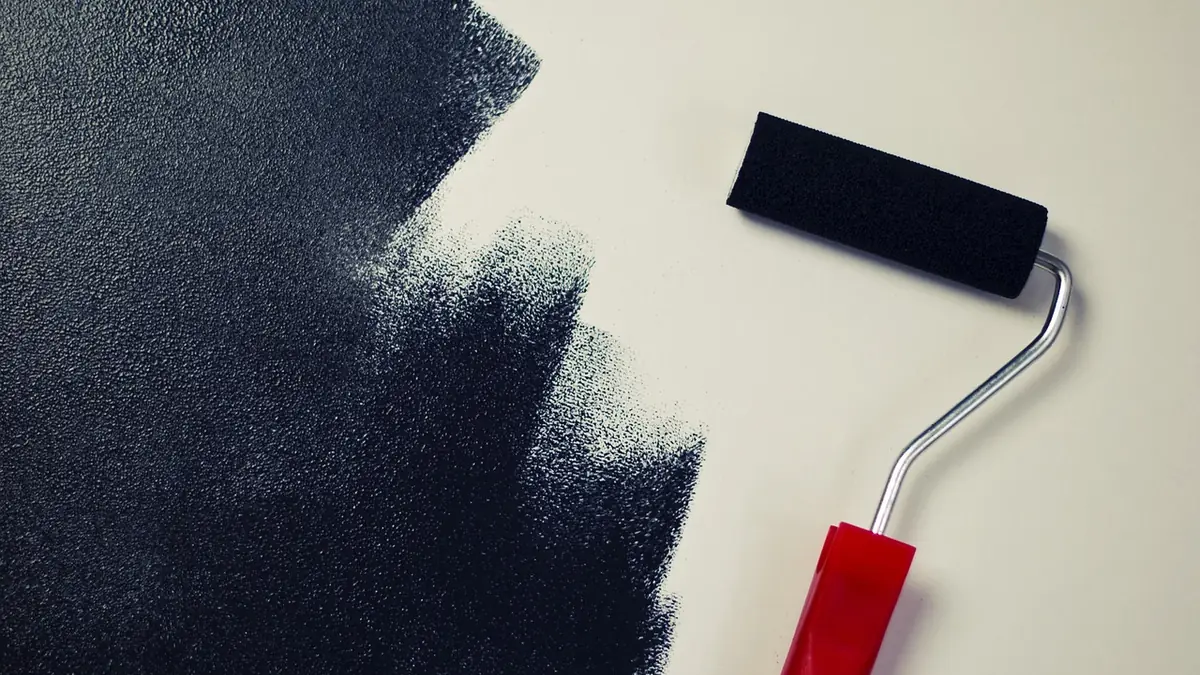
Most walls need two coats of a quality topcoat paint. One coat can work when you are refreshing the same or a very similar color over a sound, clean, previously painted surface in a forgiving finish such as a matte or eggshell. Everything else — bare drywall, patched spots, a dramatic color change, or high-traffic areas — moves you toward primer plus two coats.
The real question is not a fixed number but coverage: how much of the old surface still shows through, and whether the film is thick enough to survive washing and scuffing. This guide walks through the variables that decide the count and gives you practical ranges for paint quantities, drying time, and surface prep so you can buy once and finish in a predictable number of passes.
When a Single Coat Is Genuinely Enough
One coat is defensible in a narrow set of conditions: the existing paint is clean, sound, and the same color or within a shade or two of the new one; you are using a premium paint with high hiding power; and the finish is flat or matte, which hides minor variation better than gloss. In that case a single pass mainly refreshes the surface and uniforms small scuffs.
Even then, expect touch-ups. A single coat often looks uneven in raking light near windows or over patched areas, because the film thickness varies. Walk the room with a light angled across the wall before you put the brush away. If you see streaks or a visible halo around repairs, a second coat is the faster fix than spot-correcting later.
- Same or near-identical color over sound, clean paint
- Premium paint with strong hiding power
- Flat or matte finish that disguises variation
- No patched, bare, or glossy areas to cover
Why Two Coats Is the Practical Default
Two coats build a film of roughly 3–5 mils dry on a typical interior wall, which is enough to withstand light washing and everyday scuffing. One coat leaves a thinner film that can wear through at corners, behind door swings, and along chair rails. The second coat also evens out the first, covering the lap marks and roller texture differences that are almost unavoidable in a real room.
Timing matters as much as the count. Most interior latex paints specify a recoat window of about 2–4 hours, but a full second coat is easier and covers better if you wait closer to 4 hours, or overnight in humid weather. Painting too soon drags the first coat and leaves a gummy, uneven surface that no third coat fully fixes.
- Wait the full recoat time, typically 2–4 hours
- Roll in consistent, overlapping passes to limit lap marks
- Keep a wet edge and work in manageable sections
- Check walls in raking light between coats
When Primer Is Not Optional
Primer does a different job than paint: it seals porous surfaces, blocks stains, and gives the topcoat something uniform to bond to. Bare drywall, fresh joint compound, and patched spots absorb paint unevenly, so two topcoats over unprimed patches often still show a texture difference. A primer coat makes the two-coat finish behave like two coats everywhere.
You also need primer for dramatic color changes, especially light over dark or red over white, and for surfaces with stains, knots, or previous gloss. Tinted primer matched to your topcoat color is the efficient move when covering a strong color; it lets two topcoats do the work of three. Glossy old paint should be deglossed and primed rather than painted directly.
- Bare drywall and fresh joint compound
- Patched or spackled areas
- Strong color changes in either direction
- Stained, glossy, or unknown previous coatings
Color, Sheen, and Coverage Math
Coverage is where the coat count turns into a shopping list. Interior wall paint typically covers 300–400 square feet per gallon per coat, with textured or porous walls at the low end and smooth, primed drywall at the high end. A primer usually covers a similar area. Measure wall area, subtract doors and windows, and divide by the per-gallon figure for each coat you plan.
Color changes affect how many coats you actually need more than the label suggests. Going from a deep navy to off-white can take three topcoats even over tinted primer, while a light beige to a slightly warmer beige may need one. Sheen compounds the problem: gloss and semi-gloss show every flaw and lap mark, so reserve them for trim and doors and keep walls at matte or eggshell where two coats hide well. For a step-by-step quantity method, see how to estimate paint needed for a room.
Room-by-Room Coat Counts
High-traffic rooms deserve the extra coat. Hallways, kids' rooms, kitchens, and bathroom walls that get wiped down benefit from two topcoats even over a similar color, because the film needs to survive cleaning. Bathrooms also need a sheen and paint rated for moisture; a single coat of flat paint in a steamy room tends to fail early at the ceiling line and around fixtures.
Low-traffic spaces are more forgiving. A spare bedroom or a ceiling repainted in the same white can often take a single coat if the surface is sound. Ceilings are usually flat white and rarely touched, so one coat over a matching white is the common exception to the two-coat rule — provided the old paint is not peeling or stained.
- Two coats: hallways, kitchens, kids' rooms, bathrooms
- Two coats: any wall you scrub or wipe regularly
- One coat acceptable: spare rooms, closets, matching ceilings
- Always two coats over repairs, regardless of room
Prep and Products That Change the Answer
Prep quality is the biggest lever on coat count. Washing with a degreaser, rinsing, and letting walls dry fully prevents adhesion failures that no extra coat fixes. Sanding glossy spots and feathering patches flat means the topcoat does not have to bridge texture. Filling nail holes and cracks first is quicker than discovering them mid-second-coat.
Product choices matter too. Higher-solids paints cost more per gallon but often cover in two coats where a budget paint needs three, so the price gap narrows. Use the right roller nap — roughly 3/8 inch for smooth walls, 1/2 inch for light texture — and a quality synthetic brush for cut-in. If your project expands to trim and doors, the same logic applies, and our guide to replacing interior doors and frames covers what new slabs and casing add to the budget.
| Situation | Primer coat | Topcoats | Notes |
|---|---|---|---|
| Same color, sound paint, matte | No | 1 | Check in raking light; touch up as needed |
| Different color, similar tone | No | 2 | Standard interior refresh |
| Light over dark or dark over light | Yes, tinted | 2 | May need a third over strong colors |
| Bare drywall or fresh patches | Yes | 2 | Primer seals porous compound |
| High-traffic room, any color | As needed | 2 | Film must survive washing |
| Ceiling, matching flat white | No | 1 | Only if sound and unstained |
| Stained or glossy old paint | Yes, bonding | 2 | Degloss and clean first |
- Two topcoats is the practical default for interior walls; one coat works mainly for same-color refreshes on sound, clean paint.
- Primer is required over bare drywall, patches, stains, gloss, and strong color changes — tinted primer can save you a topcoat.
- Plan coverage at roughly 300–400 square feet per gallon per coat and buy for the number of coats you intend to apply.
- Respect the 2–4 hour recoat window and check walls in raking light before deciding you are done.
Marta has spent years collecting practical, tested answers to everyday home repair questions. She focuses on clear measurements, realistic budgets, and avoiding common DIY mistakes. Her writing favors checklists and numbers over vague advice.